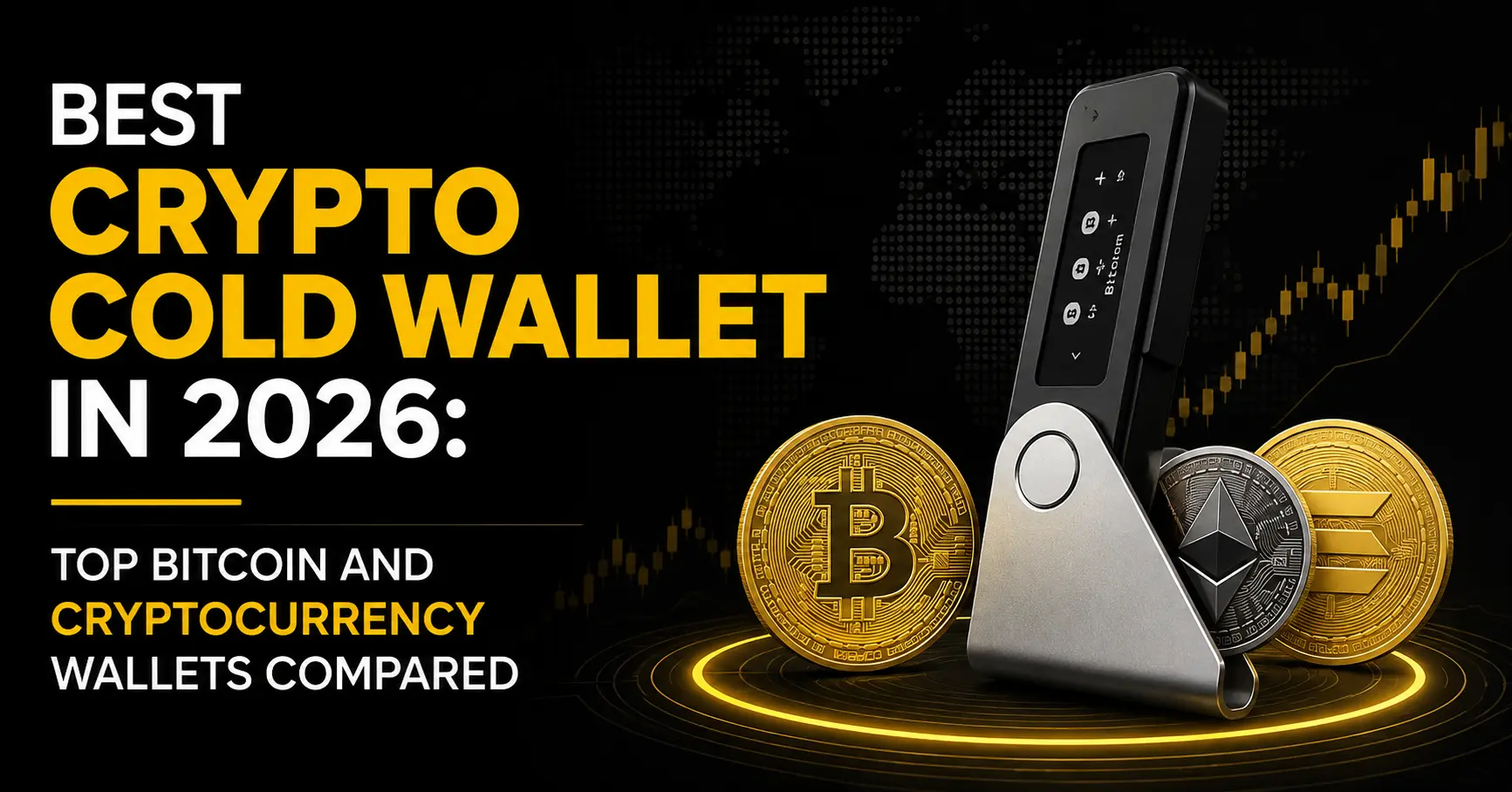
In 2026, the cryptocurrency market keeps looking like it is growing, but security still feels like one of the main worries for most investors. As digital assets become more common in everyday life, keeping them safe from hacks, scams, and also exchange goofs has turned into something of a must. Because of that, a lot of people start searching for the best crypto cold wallet solutions that exist right now.
Unlike online storage, cold wallets tend to keep private keys offline, and that simple difference cuts down on exposure to cyber threats. No matter if you are holding Bitcoin, Ethereum, or an assorted mix of digital assets, the cold wallet you choose can quietly, but really, change how well your money is protected.
Below, we compare several leading crypto cold wallets in 2026, and we look at their security, usability, and general value. So, let’s dive in!
Why Security Matters More Than Ever for Crypto Holders
Over the years, the crypto scene has expanded a lot, and security problems have never really vanished. Centralized exchanges are still a tempting target for cybercriminals, mainly because they keep so many digital assets in one place.
When your funds sit on an exchange, you usually do not get full control over the private keys. That means extra risk shows up if the platform runs into technical troubles, faces regulatory headaches, or gets hit by a security incident.
Cold wallets try to solve this by letting investors keep real ownership of their assets. Since the private keys stay offline, remote attacks have a far lower chance of succeeding.
For anyone investing for the long haul, self-custody has become one of the most trusted, steady approaches to protecting digital assets.
Why Security Matters More Than Ever for Crypto Holders
Not all cold wallets give you the same protection or that same easy feel. The strongest choices sort of mix hardened security with a smoother user experience, kind of like less friction day to day.
You’ll want to look at stuff like.
- Offline private key storage
- Secure element chips
- PIN and passphrase protection
- Recovery seed backup options
- Multi-asset support
- Mobile app compatibility
- Regular firmware updates
A lot of investors end up asking, ” What is the best wallet for crypto right now in today’s market? Honestly, it depends, because some people want maximum security above all else, while others care more about everyday convenience and mobile accessibility.
A decent cold wallet should deliver both strong protection and practical hands-on use.
Why Security Matters More Than Ever for Crypto Holders
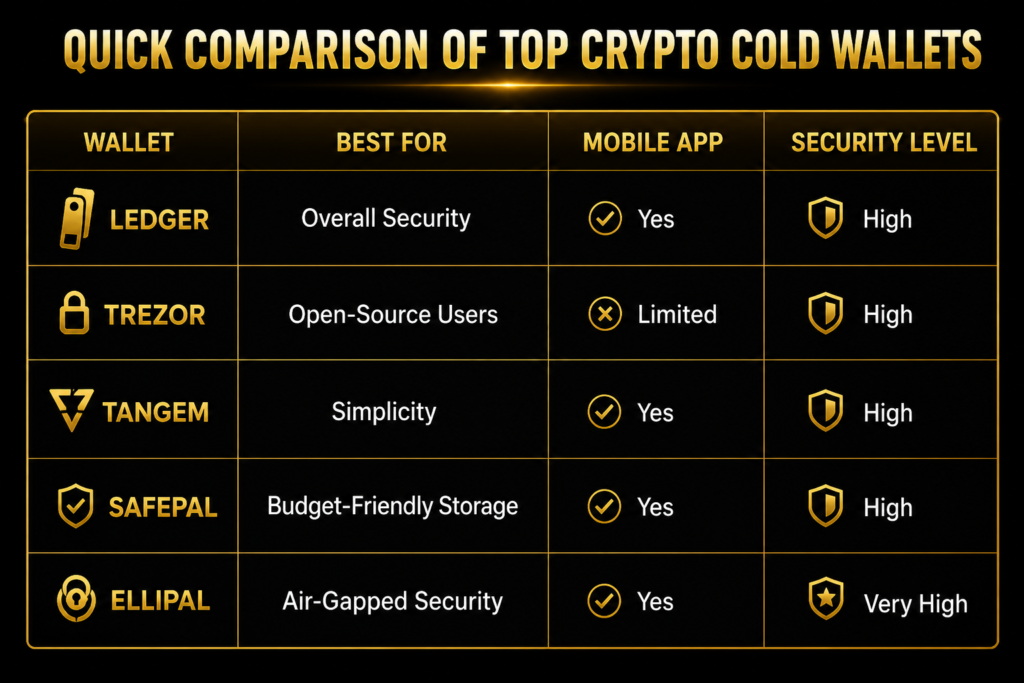
The Ledger Cold wallet is still one of the most trusted names for crypto storage out there.
Ledger devices support thousands of cryptocurrencies, and they give you a secure space for handling digital assets. Their security design uses certified secure element chips, made to shield sensitive data and keep it out of trouble.
One of Ledger’s biggest strong points is how it balances security with convenience. You can manage your holdings using a pretty polished mobile and desktop ecosystem, while still keeping your key material offline.
Key Advantages
- Extensive cryptocurrency support
- Strong security framework
- Regular software updates
- User-friendly interface
Best For
Ledger fits investors who keep more than one kind of crypto and want a dependable long-term storage option.
Trezor Wallet: Transparency and Security Combined
Trezor still feels like a solid pick for investors who really care about transparency. It uses an open-source design, so independent security people can actually go through the software, which helps build that trust people talk about in the crypto community, all the time.
Also, the Trezor hardware tends to come with sturdy security features, pretty intuitive controls, and backup systems that feel dependable. A lot of seasoned investors like how the company stays committed to transparency, plus it keeps iterating and improving over time.
Key Advantages
- Open-source firmware
- Trusted reputation
- Easy wallet management
- Strong recovery options
Best For
Trezor is especially appealing for users who want clear security habits and also long-term asset storage, without all kinds of confusion.
Tangem Wallet: Simplicity Meets Modern Design
Tangem has been getting more notice lately, mainly because of a different way of handling crypto storage. Instead of the usual hardware wallet style, Tangem goes for a card-based system, which kind of simplifies how people manage their assets.
It emphasizes accessibility, but still keeps serious security standards in place. The initial setup is quick, and users can run wallet actions straight from a mobile device.
Key Advantages
- Compact design
- Easy onboarding process
- Mobile-friendly experience
- Strong security protocols
Best For
Tangem fits investors who want straightforward protection, without having to deal with complicated hardware configurations or extra steps that don’t really feel necessary.
SafePal Wallet: Strong Protection at an Affordable Price
SafePal has positioned itself as one of the more budget-friendly hardware wallet choices you can get out there.
Even with the lower price, it still brings along a lot of premium security capabilities. It also covers a broad catalog of cryptocurrencies and gives you that handy mobile integration, too.
If you’re a first timer stepping into cold storage, SafePal feels like a pretty workable compromise, affordability on one side, protection on the other, without getting overly complicated.
Key Advantages
- Cost-friendly pricing
- Wide asset coverage
- Mobile connectivity
- Solid security features
Best For
SafePal is a good fit if you’re the type of investor who watches the budget but still wants dependable cold storage.
Ellipal Wallet: Built for Maximum Offline Security
Ellipal is different, mostly because it uses an air-gapped design. Rather than plugging in through USB, relying on Bluetooth, or even using Wi‑Fi, it keeps things offline.
That style reduces a lot of possible attack surfaces and adds an extra kind of safeguard for your digital assets.
A lot of investors with bigger crypto bags tend to prefer Ellipal, simply because it leans hard into full offline security rather than convenience.
Key Advantages
- Air-gapped setup
- Strong transaction confirmation checks
- Large range of supported cryptocurrencies
- High security design
Best For
Ellipal works best for investors who care more about maximum asset protection than about easy day-to-day convenience.
Best Bitcoin Wallet Options for Long-Term Storage
Bitcoin is still the biggest cryptocurrency by market capitalization, so for a lot of investors, secure storage, it becomes the main thing.
If someone is trying to pick the best bitcoin wallet, the stuff that tends to matter the most is usually a mix of:
- Security history
- Backup and restoration tools
- How easy it feels to use
- Long-term reliability
Ledger, Trezor, and Ellipal keep showing up near the top for Bitcoin holders. They each bring serious protection, while still fitting long-term investing plans, not just quick trades.
And honestly, the “best” pick isn’t the same for everyone; it depends on what you care about more. Is it simple access, clear transparency, or the most offline security possible?
Best Cryptocurrency Digital Wallet: Comparing Storage Methods
Bitcoin is still the biggest cryptocurrency by market capitalization, so for a lot of investors, secure storage, it becomes the main thing.
If someone is trying to pick the best bitcoin wallet, the stuff that tends to matter the most is usually a mix of:
- Security history
- Backup and restoration tools
- How easy it feels to use
- Long-term reliability
Ledger, Trezor, and Ellipal keep showing up near the top for Bitcoin holders. They each bring serious protection, while still fitting long-term investing plans, not just quick trades.
And honestly, the “best” pick isn’t the same for everyone; it depends on what you care about more. Is it simple access, clear transparency, or the most offline security possible?
Best Cryptocurrency Digital Wallet: Comparing Storage Methods
Many investors compare cold wallets with other storage options before making a decision.
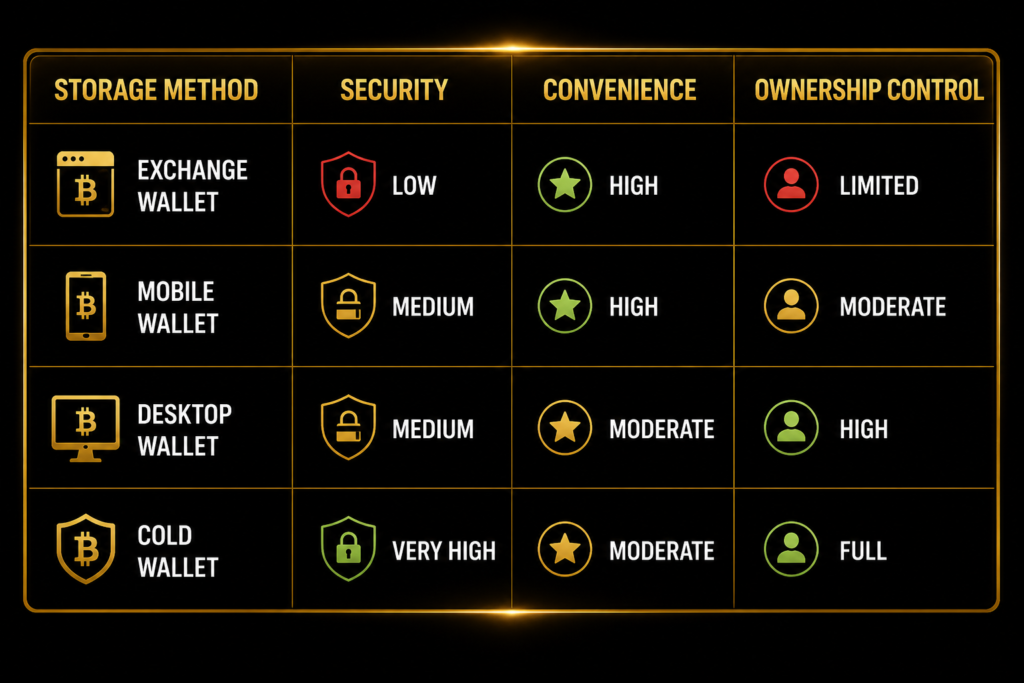
The best cryptocurrency digital wallet for long-term investors is often a cold wallet because it offers superior protection and complete ownership of private keys.
While online wallets may be more convenient, they generally expose users to higher levels of risk.
Why Cold Wallet Crypto Solutions Continue to Grow
Cold wallet crypto products demand keeps climbing as people get more security-minded.
A few things are pushing that movement forward:
- More crypto is being adopted
- People know more about cyber threats now
- A strong desire for self-custody
- Long-term investment goals
Cold wallets bring a sort of calm feeling because they reduce dependence on third-party platforms. So, for investors planning to hold assets for extended periods, this is why they often feel, well, more suitable.
As the market keeps changing, reliable self-custody solutions will likely stay a key part of responsible crypto ownership.
Best Crypto Wallet App Integration: Why It Matters
Nowadays, investors expect more than just security. They also want helpful tools for watching and handling their portfolios.
The best crypto wallet app integrations tend to include things like:
- Portfolio tracking
- Asset management
- Transaction history
- Live account monitoring
Ledger, Tangem, and SafePal all provide solid mobile experiences that make things smoother, while not cutting corners on security.
A good app design can make portfolio management easier while still letting users maintain actual control over their private keys.
How to Choose Among the Top Crypto Wallets in 2026
Choosing the correct crypto wallet really comes down to a bunch of personal stuff, like how you use it, what you already own, and what you’re comfortable with in the long run.
Before buying a cold wallet, it helps to think about a few points:
What Assets Do You Actually Hold?
Different cold wallets tend to support different cryptocurrencies. So make sure the coins or tokens you want to keep are actually compatible, it’s just not going to work the way you expect.
How Much Do You Care About Convenience?
Some cold wallets are built with mobile use in mind, while others are more “offline-first” and focus on security over speed or comfort.
What Does Your Security Preference Look Like?
People with larger portfolios often go for advanced protection, things like air-gapped setups and secure element chips. Basically, the more sensitive the holdings, the more “serious” the security usually needs to be.
Are Recovery Options Realistic and Reliable?
Strong backup and recovery processes matter a lot, especially if you’re planning to hold for a long time. If anything goes sideways, you want the path back to be clear and dependable.
When you weigh those points, you can pick a cold wallet that fits your specific needs, not just the marketing.
Conclusion
Choosing the best crypto cold wallet in 2026 is mostly about striking that balance between security, everyday usability, and whether it supports your assets. If you like the long-standing name recognition from Ledger, or you trust the openness from Trezor, or you prefer the straightforward feel of Tangem, or you’re looking at the more budget-friendly SafePal, or you want the offline shielding approach Ellipal focuses on, the key is that each one offers a practical way to protect your digital property.
And as crypto adoption keeps growing, using a cold wallet for your stash isn’t really “optional” anymore. It’s becoming part of responsible portfolio care. When you choose a wallet that matches your investment plan and your security comfort level, you end up with more control over your funds, while also cutting down your exposure to online risks.
That said, protecting your crypto isn’t the whole job. For real-time market visibility, sharp trade signals, and timely opportunities, Elite Crypto Signals can help you make more informed decisions and move with the market instead of chasing it.
FAQ
1.What is a crypto cold wallet?
A crypto cold wallet is basically an offline storage device or method that keeps private keys disconnected from the internet, so cryptocurrencies are more protected against hacking attempts, malware attacks, and unwanted access.
2. How do crypto cold wallets work?
In practice, crypto cold wallets keep private keys offline and then sign transactions inside a secure setup. After that, the signed transaction gets moved to the online side just to broadcast, without actually showing the sensitive private key data.
3. What are the different types of crypto cold wallets?
Some main types of crypto cold wallets are hardware wallets, paper wallets, air-gapped wallets, and card-based wallets. They all vary in security strength, day-to-day convenience, portability, and what they can do.
4. Why do I need a hardware wallet?
A hardware wallet tends to be the better-known option because it stores private keys offline, which lowers exposure to online dangers. It can also give investors more direct control over their holdings and a stronger kind of long-term protection.
5.How to get a crypto cold wallet?
You can obtain a crypto cold wallet by buying one straight from an official manufacturer or from an authorized retailer. Once it arrives, just follow the setup steps carefully and do it in a secure way.