How Best Crypto Signals Spot Opportunities Before Everyone Else
- Home
- June 4, 2026
Related Posts
Need Professional Trading Help?
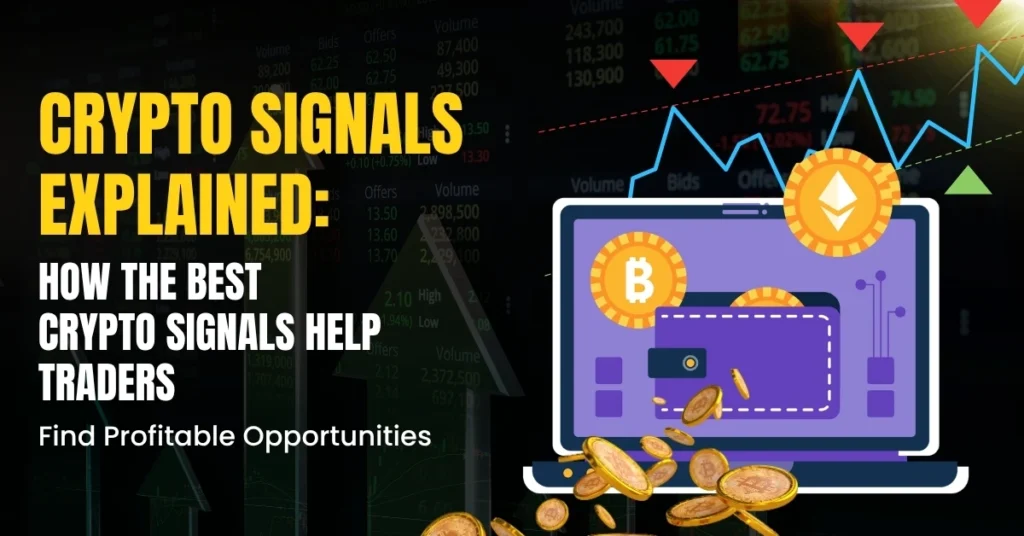
Crypto markets move super quickly, like seriously, prices can shoot up or drop within minutes, and that makes it hard to spot the “right” chance at the right moment.
For beginners, this whole fast-paced vibe can feel a bit overwhelming. Even seasoned traders sometimes spend hours looking at charts, reading market news, and trying to understand price trends before they actually pull the trigger on anything.
And that’s pretty much where crypto signals come in. These signals give traders market insights and possible trade openings based on technical analysis, market information, plus their trading approach. Instead of digging through endless chart screens, traders can lean on signals to help their decision-making, not just rely on pure hunch.
That said, you still have to be careful. No signal, no matter how polished it looks, can promise profits. Good results usually depend on doing your own research, managing risk, and keeping discipline.
In this guide, you’ll see what cryptocurrency signals are, how they work in real life, what kinds exist, and how you can spot dependable providers so you can trade with more confidence.
What Are Crypto Signals?
Crypto signals are basically messages that indicate a possible trade opening in the cryptocurrency market. In many cases, these suggestions are formed by technical analysis, some kind of market research, or automated trading systems that run in the background.
Most crypto signal posts usually carry a few main things, like an entry price, a stop-loss level, a take-profit target, and the trade direction ( buy or sell ). Sometimes you see it written in a compact format, but the idea stays the same.
For instance, a signal might look like this:
- Buy Bitcoin at $105,000
- Stop Loss: $102,000
- Take Profit: $110,000
With that, traders get a more organized roadmap rather than just bouncing around with guesswork. And a lot of people prefer signals because it reduces the time spent scanning charts one by one. Instead of observing every single market move by themselves, they receive a more actionable trade premise, which can lead to better consistency, or at least less “random” decision-making.
Still, it’s important to keep in mind that a crypto signal is not a guarantee. Conditions can flip fast, and every position includes risk. So, signals should be treated as aids for better judgment, not a quick path to profits.
How Are Cryptocurrency Signals Generated?
A crypto signal is basically a trading suggestion that points to a potential opening in the cryptocurrency market. Usually, these suggestions are built using technical analysis, market research, or even automated trading systems.
Most crypto trading signals share four main details, which is why they feel so “ready to act”:
- Entry price
- Stop-loss level
- Take-profit target
- Trade direction (buy or sell)
For example, a signal might say something like:
- Buy Bitcoin at $105,000
- Stop Loss, $102,000
- Take Profit at $110,000
This kind of information turns the situation into a more structured plan, instead of relying on guesswork, memory, or wishful thinking.
Plenty of traders use signals because it makes the research part less painful. Instead of reviewing every tiny market shift on your own, you get practical trade ideas that can save time and help keep results more consistent.
It is important to remember that a crypto signal is not a guarantee of success. Market conditions can change quickly, and every trade carries risk. Signals should be viewed as tools that support informed decision-making rather than shortcuts to profits.
Types of Crypto Signals Every Trader Should Know
Not all signals have the same job to do. Different types of signals guide traders toward different market openings, kind of like pointing at separate doors.
Buy Signals
Buy signals basically suggest the market is leaning toward an upward move, and that can mean momentum is building or support looks solid. Traders usually rely on these signals when they’re thinking about starting a new position.
Quite a lot of signal providers put out crypto buy signals when indicators are showing rising momentum, or when strong support levels look more likely to hold.
Sell Signals
Sell signals point to the market getting close to resistance or showing little bits of weakness. They’re often used so traders can protect gains, or simply dial down their risk before things get messy.
When crypto buy and sell signals are used together, they create a more complete way to think about when to enter and when to exit trades.
Breakout Signals
Breakout signals flag moments where a cryptocurrency could push past a key support or resistance boundary. After that kind of movement, volatility can rise, and trading opportunities tend to show up faster.
Trend-Following Signals
Trend-following signals are about spotting the prevailing market direction, then trading alongside it. It’s more about the bigger wave, rather than every tiny ripple.
Many people also keep an eye on crypto coin signals for other altcoins, because those alternatives sometimes bring better chances beyond just Bitcoin.
What Makes the Best Crypto Signals Stand Out?
Not every signal provider gives the same level of quality. The best crypto signals usually have a few traits that, in practice, help traders decide with a bit more confidence, and also with less guesswork.
Accuracy and consistency
Good providers tend to stay steady over time. not just show up with a win now and then. What they did in the past, while not perfect proof, can still show how reliable they might be.
Clear directions
High-quality signals don’t just say “buy” or “sell.” They come with specific details such as entry points, stop-loss levels, and realistic profit targets. That kind of guidance matters.
Risk handling guidance
Solid signal services talk about risk management more than they brag about profits. They remind you how to protect your downside, not only chase upside. In other words, it’s more about survival than just excitement.
Transparency
Trustworthy platforms are upfront about how they work and what their results look like. They don’t lean on impossible promises, and they don’t pretend returns are guaranteed.
Finally, the best cryptocurrency signals are often created by experienced analysts. people who know how market behavior shifts, and who explain both the opportunity and the risks, in a way you can actually follow.
Free vs Premium Crypto Signals: Understanding the Difference
A lot of traders ask themselves if they should go with free or paid signal services, and honestly, it depends on what they are trying to do, how seasoned they are, and the way they trade. So it’s not a simple yes or no.
Free signals, why people like them
A free crypto signal can be a good entry point for beginners. In practice, these services let traders watch how the signals work, without having to spend money right away. And that tends to feel safer at first, especially when you are still getting the hang of things.
There are some obvious upsides, like:
- easy access
- no subscription fee
- real learning opportunities
But free signal services also tend to come with some drawbacks
Even if they are helpful, free services usually have strings attached, like:
- delayed notifications
- less detailed evaluation
- limited customer assistance
Also, some platforms share cryptocurrency signals for free through social media channels or within community groups. That can be convenient, but the quality and timing can vary a lot.
What premium services usually do better
Paid providers often come with more reliable stuff, for example:
- quicker alerts
- market commentary
- direct, dedicated support
Some traders even mix things; they might use free crypto trading signals alongside premium ones, just to compare the viewpoints before they commit to any decision.
Why Risk Management Matters More Than Any Signal
One of the biggest errors traders make is thinking that signals by themselves decide success. But in real life, well its not that neat, like the risk management part plays a bigger role, almost always.
Every trade has a certain amount of uncertainty. Even when the signals seem super accurate, the outcome can still end up as a losing trade. That’s just how markets behave, no matter the approach.
Good risk management usually means you do a few practical things, like:
- placing stop-loss orders
- capping your position sizes
- steering clear of excessive leverage
- keeping your expectations grounded and realistic
A basic rule of thumb is to risk only a small fraction of your trading capital on each position. Not on every idea, not on every hunch.
Traders who stay successful tend to focus on protecting capital first, and then they chase profits second. It’s kind of a survival style mindset, and it helps them remain active in the market over the long haul.
Common Mistakes Traders Make When Using Signals
Many traders end up lowering their odds of success by doing a few things they actually could avoid if they paid a bit more attention.
Following Signals Blindly
Signals should, really, just back up what you’re already thinking and reading in the market. They shouldn’t just fully take the place of analysis.
Ignoring Stop-Loss Levels
When someone removes stop-loss orders or keeps tweaking them, the whole risk picture can change fast. It can increase exposure in a big way, even if the trade looks “fine” at first.
Overleveraging
Too much leverage can turn small problems into big losses. And then the account can drain really quickly, like within what feels too short.
Overtrading
Hitting every single setup, because it showed up, often means more unnecessary risk exposure than needed. Not every signal is meant to be acted on immediately.
Depending on One Source
Relying on only one info channel is usually weaker than comparing several trustworthy sources. Cross-checking can improve decision-making and reduce blind spots.
If you understand these common mistakes, you can use signals in a more grounded way, more responsible, and, honestly, more effective way.
Why Bitcoin Signals Remain Popular in the Crypto Market
Bitcoin remains the largest cryptocurrency by market value and often influences broader market sentiment.
When Bitcoin experiences major price movements, many alternative cryptocurrencies follow similar trends. This is one reason why bitcoin trading signals attract significant attention from traders around the world.
Additional factors include:
- High liquidity
- Large trading volume
- Strong institutional interest
- Extensive market coverage
For many traders, monitoring Bitcoin remains an important part of understanding overall market conditions.
How to Pick Between the Best Crypto Alerts Websites
Choosing the right signal provider can really change how your trading feels, in a good and also weird way. So when you’re looking at the best crypto alerts sites, you might want to focus on a few things, like
- A verified track record, not just hype
- Analysts with real experience behind them
- Good risk management habits
- Customer support that actually responds, not just “soon”
Also, be careful with any service that says it can guarantee profits or offers those too-perfect, unrealistic returns.
Conclusion
Crypto signals help traders spot possible opportunities , save a bunch of time doing market analysis and make trading decisions that feel more grounded. Still, the top traders also know that signals only go so far, like they work best when paired with risk management, your own independent checking, and a habit of continuous learning.
So whether you’re following Bitcoin focused alerts or you prefer wider crypto signals, picking a trustworthy provider and keeping discipline in your trading routine can help you move through the market with more confidence and steadier results.
And if you want sharp, expert breakdowns plus practical trading chances, Elite Crypto Signals can help you stay ahead of market shifts. Take a look at strong crypto trading insights meant to support smarter decision-making in today’s fast-moving cryptocurrency scene.
FAQ
1. What are crypto trading signals?
Crypto trading signals are trade recommendations that suggest when to buy or sell cryptocurrencies, including entry points, profit targets, and risk management levels.
2. Are crypto signals worth it?
Crypto signals can be valuable for traders seeking market insights and trade ideas, but success depends on strategy, discipline, and risk management.
3. Do crypto signals work?
Crypto signals can work when generated through reliable analysis, but no signal guarantees profits. Market conditions and proper execution greatly influence results.
4. Benefits of Using Crypto Signals?
Crypto signals save analysis time, identify trading opportunities, provide risk management guidance, and help traders make more informed market decisions.
5. Can AI give crypto signals?
Yes, AI can generate crypto signals by analyzing market data, price patterns, sentiment, and trends, helping traders identify potential opportunities faster.